Why Your Art Gets Likes but Your Merch Doesn't Sell
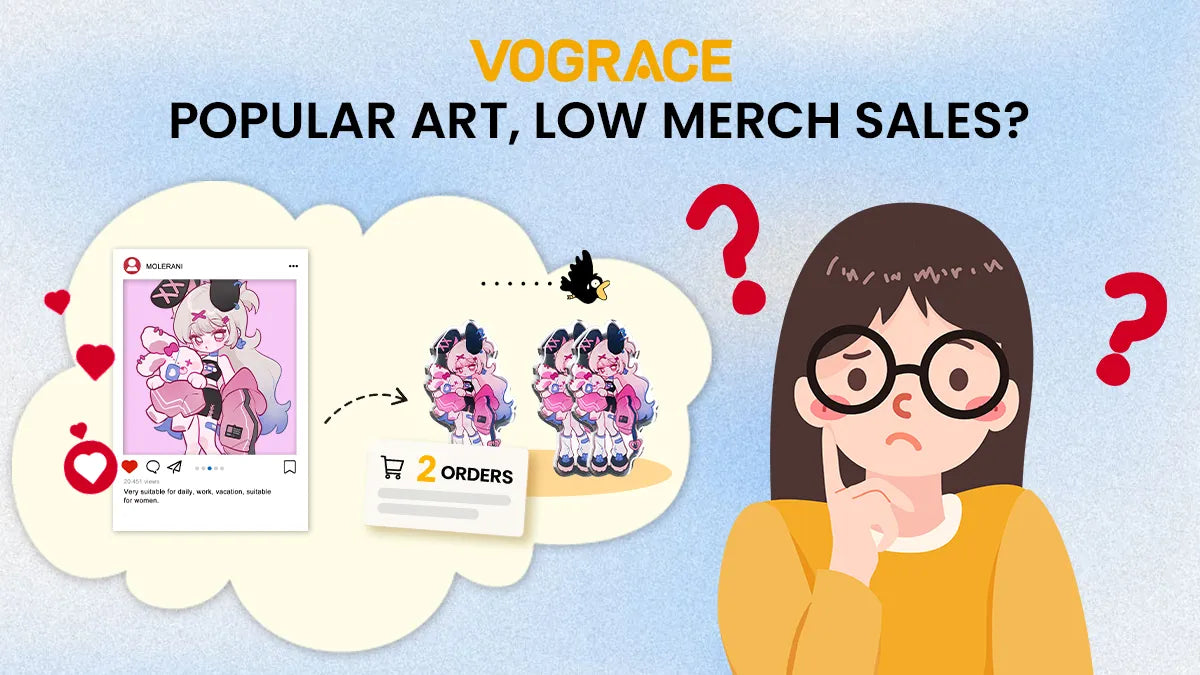
Your illustration gets thousands of likes on social media. People share it, save it, and leave comments asking to see more. With that kind of response, turning the artwork into merch feels like an obvious next step.
You choose the products, compare production options, prepare your design files, and finally open sales. But the orders don't follow. A piece that seemed wildly popular online isn't selling nearly as well in physical form.
So where's the disconnect?
Artist merch sales depend on more than the popularity of the artwork itself. Here are six common reasons a well-loved illustration may struggle to sell as merch, along with practical ways to test what your audience actually wants.
1. Likes and Shares Don't Equal Buying Intent
One of the easiest mistakes to make when planning merch is treating social media engagement as proof of market demand.
Likes, shares, and saves can signal enthusiasm. They don't necessarily tell you whether someone wants to spend money on a physical product.
Look for signals that are closer to a purchase
Don't dismiss engagement metrics. Use them as a starting point, then ask more specific questions. For example: “If I turned this illustration into merch, what would you most want it on?”
Offer a few realistic choices, such as stickers, acrylic keychains, pins, or fine art prints. Even a handful of thoughtful replies can point a smaller independent artist toward an idea worth testing. Just remember: feedback is an early signal, not a reason to order a large batch right away.
The better question isn't simply “Which post got the most likes?” It's “Which artwork makes people want to own something?”
2. The Artwork Is Popular, but the Product Format May Be Wrong
An illustration that looks beautiful on a screen won't automatically translate well to every kind of merch.
Choose a format that plays to the artwork's strengths
Before choosing a product, consider what stands out most about the piece:
· Highly detailed artwork: Fine art prints, postcards, or larger display pieces can leave enough room for the details to shine.
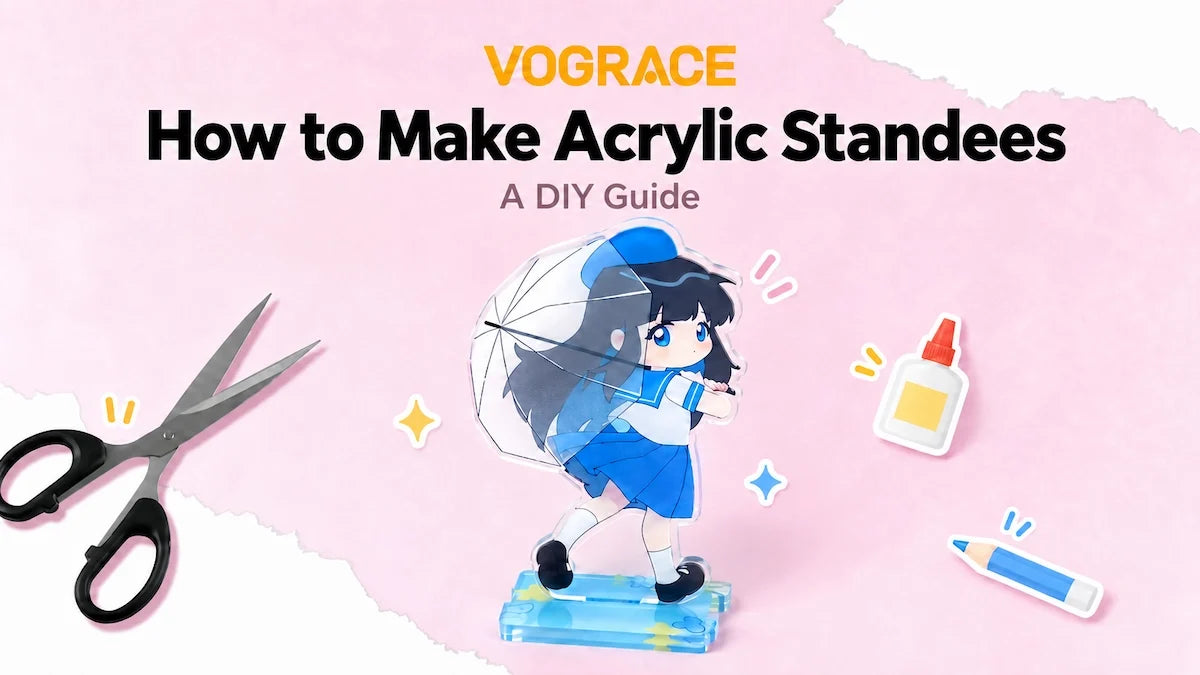
· Distinctive character designs: Acrylic standees, acrylic keychains, and pins can put the character front and center.
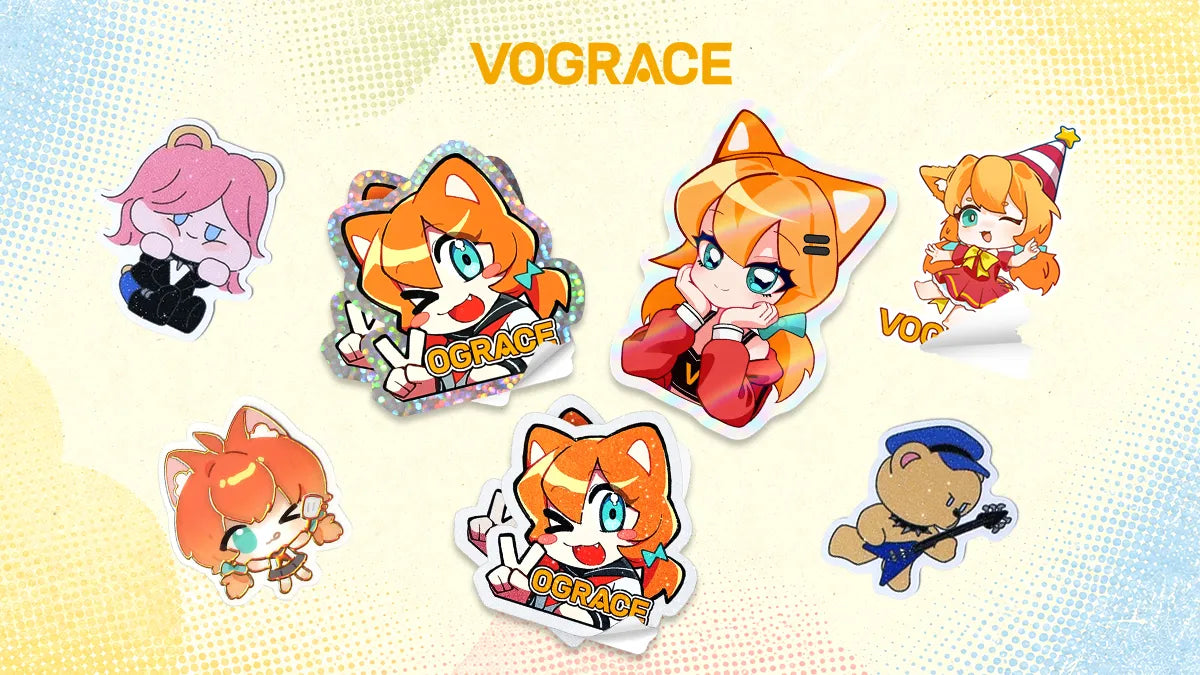
· Expressive chibi art: Stickers, acrylic keychains, and pins can make the most of bold expressions and playful silhouettes.
· Atmospheric or color-rich illustrations: Formats with a larger image area may do a better job of preserving the overall composition.
These are starting points, not hard rules. Detailed art can work on small items if you adapt the design, and a simple character can still make a compelling large collectible.
What matters is checking the artwork at the product's actual finished size before you order.
A quick design check before production
Ask yourself three questions:
· Can someone recognize the main subject when the artwork is reduced to its final size?
· Will the important details, lettering, and linework still be clear on the finished product?
· Does this format highlight the best parts of the design, or make everything feel crowded?
If any answer is no, try adjusting the composition, simplifying small details, creating a product-specific version, or choosing a different format.
You don't need every illustration to work on every product. You need the format that does the illustration justice.
3. People Love Your Art, but They May Not Have a Reason to Buy the Merch
Fans connect with artwork for different reasons. Some follow the personalities and stories behind your original characters. Others admire your technique, color choices, creative process, or personal perspective. Those interests don't always translate into the same buying preferences.
For example:
· Fans of your original characters might gravitate toward standees, keychains, or pins featuring those characters.
· People who love your illustration technique may be more interested in fine art prints, art books, or collected works.
· Followers who enjoy your creative process might prefer sketchbooks, behind-the-scenes material, or objects that reflect your signature style.
That's why picking your most-liked illustration isn't always the best merch strategy. First, understand what people actually value about it.
Give fans a reason to own the physical version
Consider the following:
· Does the character have a recognizable personality or a story people remember?
· Are there details fans would enjoy displaying, collecting, or revisiting?
· Does the artwork speak to a shared interest, community, or inside joke?
· Does the physical item offer something different from seeing the image online?
Merch can let people show what they love, personalize their belongings, collect favorite characters, or support the artist behind the work.
Not every product needs an elaborate backstory. Sometimes a memorable character design is enough. The important part is recognizing what your audience values and letting the physical product deliver on it.
4. Your Price Makes Sense to You, but Not Necessarily to Buyers
When artists set merch prices, production costs and target profit margins naturally come first. Both matter, but they're only part of a buyer's decision.
A fan is more likely to ask, “How much will this cost me altogether?” and “Is it worth it?”
Look at the full cost and buying experience
Before launching, check these points:
· Item price: Does it make sense for the size, material, design, and audience?
· Shipping: Does the delivery cost feel reasonable compared with the order value?
· Purchase requirements: Are fans forced to buy a set when they only want one item?
· Product photos: Can buyers clearly see the size, material, finish, and important details?
· Checkout: Is the purchase process clear and easy to follow?
· Price range: Is there an accessible first-purchase option, or only relatively expensive items?
If sales are slow, don't rush to discount everything. Cutting prices before identifying the real obstacle can shrink your margins without making the experience any better.
You might get more useful results by testing another format, adding a lower-priced option, bundling complementary products, or showing the product's value more clearly.
For instance, affordable stickers can make a first purchase easier, while a more detailed acrylic standee can appeal to fans looking for something to display or collect. Giving people choices makes more sense than expecting everyone to spend the same amount.
5. Your Merch Is Good, but the Launch Makes It Hard to Buy
Even when fans love the artwork and the product itself looks great, they may not buy immediately.
They might never realize it went on sale. They might see the announcement at a busy moment and forget to come back. Or they might decide to purchase later, only to lose track of the shop link.
Make every launch announcement answer four questions
A useful launch post should make the basics immediately clear:
What are you selling? Show the actual product, not just the original illustration or a digital mockup. Where relevant, include front and back views, dimensions, and close-ups of important details.
Why is it worth buying? Explain what makes the item distinctive: the character, finish, display appeal, collectibility, or everyday usefulness.
Where can people buy it? Share a direct shop link, price, shipping information, and any necessary ordering instructions. Don't make interested fans hunt through old posts to find checkout.
When is it available? If it genuinely is a preorder, a convention-exclusive release, or a limited production run, spell out the dates and conditions accurately. Never invent scarcity just to create urgency.
One launch post is rarely enough
Consider a simple sequence:
· Before launch: Share previews and learn which product formats interest your audience.
· At launch: Post clear product photos, prices, ordering instructions, and a direct link.
· After launch: Answer questions, share additional details, and give interested fans a reasonable reminder.
· After the sales period: Review the results. Find out why buyers purchased and what held interested nonbuyers back.
The timing can change depending on your audience and where you sell. The goal stays the same: make your merch easy to discover, understand, and purchase.
6. You Made Too Much Merch Before Testing Demand
For independent artists, this may be one of the most expensive mistakes to overlook.
When an illustration gets attention, it's tempting to build a full collection around it: acrylic keychains, pins, stickers, standees, tote bags, and more.
But every additional product brings its own production requirements, costs, inventory decisions, and promotional work. Starting with too many items also makes it harder to tell what your audience actually wants.
Treat your first merch release as an opportunity to learn, not just a chance to sell.
Start with a small, focused test
Instead of launching ten products at once, begin with two or three that suit your artwork and audience. For example:
· An affordable sticker as an easy entry-level purchase.
· An acrylic keychain that makes the character the main attraction.
· A display-focused collectible for fans willing to spend more.
Then compare what actually happens.
Track expressions of interest, visits to product pages, completed purchases, and responses to each item. If possible, ask customers what mattered most to them—and ask interested fans who didn't order what got in the way.
Depending on your costs and sales model, you might start with a small production batch, a clearly explained preorder, or another limited test before increasing quantities.
Small-batch customization can make it easier to explore different ideas without committing to a large initial run. It isn't automatically cheaper per item, though. Your real costs depend on the product, order size, production method, shipping, and other factors, so compare complete quotes before deciding.
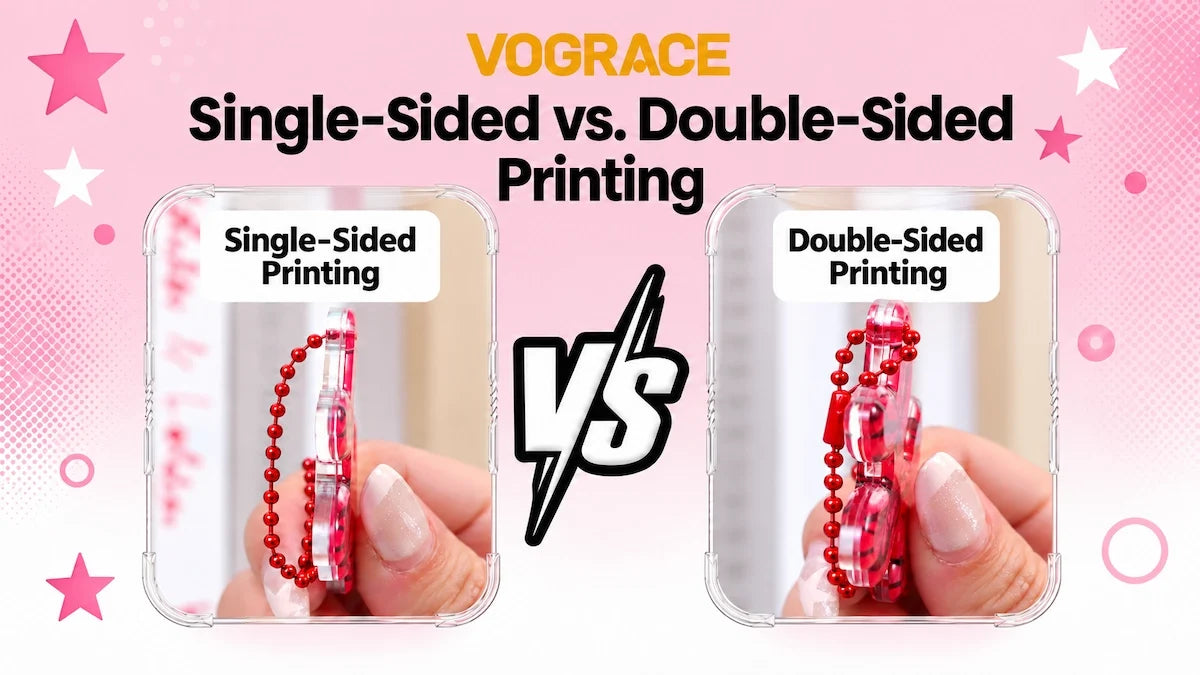
For artists exploring possible formats, Vograce offers customizable acrylic keychains, acrylic standees, pins, and stickers. Start with what best suits your design, then compare production options and order quantities against your goals.
The aim isn't to create the biggest possible product lineup. It's to find products that fit your work, meet real audience needs, and teach you something useful for the next launch.
A Checklist Before Turning Popular Art Into Merch
Before placing an order, run through these questions. A few minutes of checking can help you catch problems before they become expensive.
Audience demand
· Have fans shown interest in owning physical merch, not just liking the illustration?
· Do I know which product formats they prefer?
· Do I understand what draws people to my work?
Product fit
· Does the format suit the artwork’s strongest visual qualities?
· Will important details remain legible at the finished size?
· When possible, have I reviewed a physical sample or a reliable production preview?
Pricing and the buying experience
· Have I accounted for production, packaging, shipping, platform fees, and other relevant costs?
· Can buyers easily understand the total amount they’ll pay?
· Can interested fans find the product and complete a purchase without friction?
Managing risk
· Have I kept the number of products in my first test manageable?
· Am I estimating demand using realistic sales scenarios rather than likes alone?
· Do I have a plan to review the results and adjust my next order?
The point isn't to make merch planning complicated. It's to spot avoidable risks and give yourself better information for each decision.
Final Thoughts: Going Viral Is a Starting Point, Not a Sales Guarantee
If your artwork attracts attention but your merch doesn't sell as expected, that doesn't mean the work lacks value—or that your fans don't want to support you.
The disconnect might be the product format, the reason people connect with your art, the total cost at checkout, a confusing launch, or too much production before demand has been tested.
If you're planning your first merch release—or your next one—explore Vograce's customizable acrylic keychains, standees, pins, and stickers. Begin with the artwork, choose the formats that fit it best, and compare production options and quantities with your goals in mind.
Have you ever had an illustration get plenty of likes but fewer merch orders than you'd hoped? What do you think made the difference? Share your experience in the comments, or email us at wangying@baigedi.cn. We'd love to hear about your creative work and what you've learned from making merch.