18 Types of Keychains: Popular Styles & Their Best Uses
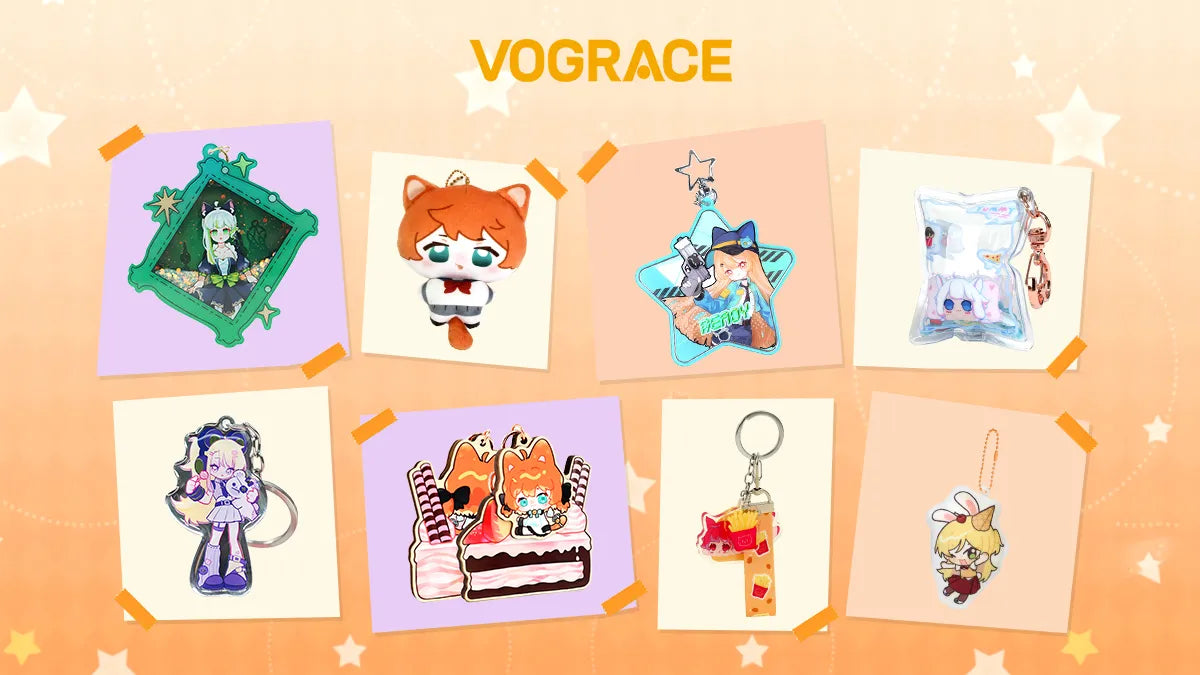
Some keychains barely get noticed until the keys go missing. Others are the reason someone picks up a bag, a souvenir, or a little piece of artist merch in the first place. A slim metal tag, a soft character plush, and a clip-on flashlight all count as keychains—but they do very different jobs.
The easiest way to compare the types of keychains is to separate what they are made of, how they are decorated, and what they do. Those labels can overlap: one keychain might be acrylic, holographic, and shaker-style all at once. Below are 18 familiar types, their practical strengths, and the details worth checking before you buy or design one.
18 Popular Types of Keychains at a Glance
Use this comparison table to narrow down the options. The names reflect common material, finish, construction, and functional categories—not 18 mutually exclusive materials. Performance varies with thickness, hardware, coatings, and construction.
|
Type |
Defining feature |
Best uses |
Keep in mind |
|
1. Acrylic |
Rigid plastic; often clear and printed |
Illustrated merch, gifts, bag charms |
Can scratch; check edge and print protection |
|
2. Metal |
Solid metal tag or shaped charm |
Daily keys, souvenirs, premium gifts |
Weight and plating vary |
|
3. PVC / rubber |
Flexible, often molded color design |
Mascots, giveaways, playful charms |
Fine details depend on molding |
|
4. Wooden |
Natural or manufactured wood |
Rustic art, souvenirs, simple logos |
Sensitive to prolonged moisture |
|
5. Leather |
Leather or faux-leather strap/tag |
Everyday carry, initials, gifts |
Materials and finishes differ |
|
6. Plush |
Soft stuffed character or shape |
Character merch, bag decoration |
Bulkier; spot-cleaning may be needed |
|
7. Embroidered |
Stitched design on textile |
Travel tags, logos, team merch |
Small lettering may not stitch well |
|
8. Beaded |
Beads threaded on cord or wire |
DIY gifts, accessories, craft fairs |
Check bead and knot security |
|
9. Enamel |
Colored enamel set into metal |
Logos, collectible characters |
A metal keychain subtype |
|
10. Holographic |
Angle-dependent reflective effect |
Collectibles, fantasy art |
Shine can compete with fine detail |
|
11. Epoxy |
Clear domed resin coating |
Glossy art charms, gift merch |
Coating may scratch or yellow over time |
|
12. Shaker |
Dry pieces move inside a chamber |
Interactive novelty charms |
More thickness and moving parts |
|
13. Liquid |
Suspended particles move in liquid |
Novelty gifts, slow-motion effects |
Inspect seals; avoid extreme heat |
|
14. Photo |
Printed or inserted photograph |
Keepsakes, pet and family gifts |
Protect the image from moisture |
|
15. Lanyard / wristlet |
Fabric loop or short strap |
Easy retrieval, badges, frequent use |
Length and connector strength matter |
|
16. Carabiner |
Clip-style attachment |
Bags, belt loops, easy transfers |
Most decorative clips are not climbing gear |
|
17. Bottle opener |
Built-in opening tool |
Events, casual gifts, travel kits |
Choose sturdy metal for regular use |
|
18. Flashlight |
Small battery or rechargeable light |
Emergency kits, low-light use |
Brightness and batteries vary |
Types of Keychains by Material and Construction
Start with the body of the keychain. Material affects weight, texture, flexibility, and how well a design can be reproduced.
1. Acrylic Keychains

Acrylic keychains are rigid plastic charms, commonly made from clear sheets with artwork printed onto or behind the surface. Their clean edges and transparent backgrounds work especially well with colorful illustrations, character art, and logos. Die-cut silhouettes make them easy to personalize without adding much weight.
Acrylic is not scratch-proof, and the printing and protective layers differ between products. If the charm will spend every day beside metal keys, check whether its exposed surfaces need extra protection. Vograce’s acrylic keychains show how one basic material can support a range of sizes and artwork styles.
Best for: illustrated merchandise, lightweight bag charms, personalized gifts.
2. Metal Keychains
Metal keychains include simple engraved tags, cast shapes, stamped pieces, and plated charms. They usually feel more substantial than acrylic or fabric designs and can suit understated logos, commemorative gifts, and everyday key sets. Common bases include zinc alloy and stainless steel, depending on the product.
Do not assume every metal charm is equally tough: a thin decorative piece and a solid utility tag may wear very differently. When comparing custom metal keychains, look at the base metal, plating, edge finish, and attachment point before deciding what suits daily use.
Best for: souvenirs, simple branding, traditional keyrings, gifts.
3. PVC and Rubber Keychains

These flexible charms often feature raised outlines, bold colors, and cartoon-like shapes. “PVC rubber keychain” is a familiar shopping term, although the material is typically soft PVC rather than natural rubber. The soft feel makes them appealing for playful mascots, sports logos, and promotional giveaways.
Molded designs work best with clear shapes and distinct color areas, which is why PVC rubber keychains suit mascots with bold outlines. Very fine linework or delicate shading may need to be simplified before manufacturing.
Best for: mascots, children’s-style designs, event giveaways, bold logos.
4. Wooden Keychains

Wooden keychains trade a glossy surface for grain, texture, and a warmer look. They may use natural wood or manufactured wood-based materials, and the design can be printed, engraved, layered, or cut into a custom silhouette. That versatility suits travel souvenirs, nature-inspired illustrations, and understated branding.
Wood is not automatically sustainable just because it looks natural; sourcing and processing still matter. Products described as wooden keychains may use different natural or synthetic wood-based materials, so check the exact composition before ordering. Exposure to water can also affect the finish.
Best for: rustic gifts, nature themes, souvenir designs, warm-toned artwork.
5. Leather Keychains
Leather keychains are often shaped as loops, tabs, or small tags with stamped initials or simple hardware. Genuine leather develops wear and character over time; synthetic leather alternatives have different textures, prices, and care needs. Neither label alone tells you how durable the stitching or attachment will be.
These keychains suit people who want something low-profile in a pocket rather than a large dangling charm. Look at the edge finish, rivets, and how securely the strap meets the keyring.
Best for: initials, minimalist everyday carry, office gifts, simple accessories.
6. Plush Keychains

A plush keychain turns a small stuffed character or soft object into a bag accessory. Fabric, stuffing, stitching, and embroidery give it a tactile appeal that flat charms cannot offer. They are especially popular for cute mascots, character collections, and gifts meant to be displayed as much as carried.
The trade-off is volume: plush and fabric keychains can pick up lint, hold moisture, or feel awkward on a crowded keyring. They generally make more sense clipped to a backpack or tote, where the character can be seen.
Best for: mascot merchandise, soft bag charms, character-themed gifts.
7. Embroidered Keychains
Embroidered keychains use thread to build a design on textile, usually as a flat tag or patch-like accessory. They can handle bold lettering and graphic shapes especially well and have a familiar look on travel bags, team gear, and motorcycle-style tags.
Thread does not reproduce every printed detail: tiny text, fine gradients, and complex shading may not translate cleanly. For example, Vograce’s embroidered keychain specifies thread-color and line-width limitations, making artwork simplification an important part of planning.
Best for: team identities, travel tags, embroidered slogans, fabric accessories.
8. Beaded Keychains
Beaded keychains are assembled from glass, acrylic, wooden, silicone, or other beads on cord, wire, or chain. A name spelled out in alphabet beads, a tiny charm cluster, or a simple color pattern can make a thoughtful handmade gift. They are also accessible DIY projects because the components are widely available.
The important part is not the bead itself but the build quality. A weak knot, poorly crimped wire, or loose jump ring can cause the design to come apart. For items intended for small children, consider choking hazards from detachable beads.
Best for: DIY projects, friendship gifts, names, personalized craft accessories.
Keychain Types by Finish, Style, and Special Effects
These types describe the way a keychain looks or moves, rather than necessarily identifying a different base material. For instance, a metal charm can have enamel detailing, while an acrylic charm can combine a holographic layer with a resin dome.
9. Enamel Keychains

Enamel keychains are metal designs with colored areas filled into recessed sections. Soft enamel typically leaves raised metal lines you can feel, while hard enamel is finished to a smoother, more level surface. Both are common for collectible characters, emblems, and compact illustrations.
They can look polished without requiring a photographic print, but colors are usually separated into distinct shapes. When choosing enamel keychains, consider how the plating, metal outlines, and filled color areas work together; gradients and extremely fine detail may need adjustments.
Best for: collectible characters, logos, commemorative designs, premium-feel merch.
10. Holographic Keychains
Holographic keychains reflect shifting colors or patterns as the viewing angle changes. On acrylic charms, the reflective layer can give stars, fantasy illustrations, and character accessories a more animated appearance without moving parts.
The effect is strongest when the artwork leaves room for it. On holographic keychains, shifting reflections can compete with subtle shading or tiny lettering, so a clear focal point often works better than a crowded design.
Best for: collectible merch, fantasy-themed artwork, eye-catching bag charms.
11. Epoxy Keychains

Epoxy keychains usually have a clear resin coating over a printed charm, giving the surface a smooth, rounded, slightly raised appearance. On acrylic, this is often called an epoxy dome. It can make a small illustration feel more dimensional and give it a glossy finish.
That rounded finish is the appeal of an epoxy keychain, but a resin coating does not make a charm indestructible. Scratches, UV exposure, and age can still affect its appearance, depending on the resin.
Best for: glossy artwork, small character charms, dimensional gift merchandise.
12. Shaker Keychains
A shaker keychain contains a pocket or chamber with small loose pieces—such as glitter, sequins, or miniature acrylic shapes—that rattle or move when shaken. The result is part illustration, part tiny interactive toy. Food motifs, game-inspired icons, and cute character scenes work particularly well.
The chamber makes the charm thicker than a typical flat acrylic piece, and its edges and seals deserve extra attention. Most shaker keychains use dry fillers that move freely; liquid-filled versions behave differently and belong in their own category.
Best for: playful collectibles, interactive gifts, character merchandise.
13. Liquid or Quicksand Keychains

Liquid keychains contain fluid and suspended decorations, such as glitter or small particles that drift when the charm is tilted. The flowing motion feels noticeably different from a dry shaker’s rattle. They are a natural match for snow-globe effects, dreamy illustrations, and novelty souvenirs.
A quicksand liquid keychain depends on a reliably sealed chamber to keep the fluid inside. Avoid puncturing, crushing, or exposing it to extreme heat, and follow the maker’s care guidance.
Best for: novelty gifts, moving glitter effects, decorative collectibles.
14. Photo Keychains
Photo keychains keep a printed image close at hand. Some display a photo beneath a transparent cover; others print it onto a rigid charm or hold a removable miniature picture. Family portraits, pet photos, travel memories, and milestone gifts are familiar uses.
Image clarity matters more here than elaborate effects. Choose a sharp photograph, avoid cropping important faces, and check whether the print is sealed against handling and moisture. A photo charm may use acrylic, metal, or another base, so “photo” describes the content rather than the material.
Best for: keepsakes, pet gifts, birthdays, personalized souvenirs.
Functional Types of Keychains
For some people, a keychain earns its place by making a task easier. These styles are defined mainly by how they attach or what they do.
15. Lanyard and Wristlet Keychains

Lanyard keychains use a fabric strap, short loop, or wrist-sized band to keep keys within reach. A longer lanyard may hold an ID badge; a short wristlet is easier to grab from a bag. Both can combine a practical strap with a printed or shaped decorative charm.
Check the strap length, stitching, and metal connector on lanyard keychains rather than judging by appearance alone. Some are made for carrying keys or badges, not for supporting heavy objects.
Best for: badges, commuter keys, wrist carry, events.
16. Carabiner Keychains
A carabiner-style keychain opens with a small spring gate, making it convenient to move keys or charms between a backpack, belt loop, and tote. Decorative versions come in metal or acrylic and often double as a statement accessory.
Do not confuse a decorative carabiner with certified climbing or load-bearing equipment. Even an acrylic carabiner with a handy clip is designed as an accessory, not as safety hardware.
Best for: quick bag attachment, swapping charms, everyday organization.
17. Bottle Opener Keychains
Bottle opener keychains combine a keyring with a small opener, usually built into a metal body. They are useful for casual gatherings, travel kits, and event giveaways where a simple practical feature is appreciated.
An opener needs enough rigidity and leverage to work comfortably. Very thin decorative versions may be less pleasant to use repeatedly, and the keyring should stay clear of the opening edge.
Best for: casual gifts, promotional items, picnic and travel accessories.
18. Flashlight Keychains
Flashlight keychains add a miniature light to a keyring, whether powered by replaceable batteries or a rechargeable cell. They are handy for finding a dropped item, reading a lock, or getting light across a short distance. Some use a simple push-button LED; others offer multiple modes.
Brightness, runtime, water resistance, and charging methods differ widely, so check the specifications if the light is important. A tiny keychain flashlight is convenient backup lighting, not a substitute for dedicated safety equipment.
Best for: emergency pouches, night-time convenience, practical gifts.
How to Choose the Right Type of Keychain
The best-looking option is not always the one you will enjoy carrying. Before choosing a keychain, think about where it will be used, what it needs to hold, and how much handling it will receive.
|
Your priority |
Types worth considering |
What to check first |
|
Everyday pocket keys |
Compact metal, leather, or small acrylic |
Low bulk, secure ring, smooth edges |
|
Backpack or tote decoration |
Acrylic, plush, shaker, holographic |
Size, visibility, attachment security |
|
Personal keepsake |
Photo, wooden, engraved metal |
Image clarity, finish, longevity |
|
Artist merch or collectibles |
Acrylic, enamel, plush, shaker |
Artwork fit, perceived value, production detail |
|
Events and giveaways |
PVC, enamel, metal, bottle opener |
Audience, practicality, order requirements |
|
Quick access to keys |
Wristlet, lanyard, carabiner |
Strap length, connector quality, intended load |
A few details are easy to overlook. Size and weight matter when keys already fill a pocket; print and surface finish matter when the artwork is the attraction. If you are buying or producing multiple pieces, request the maker’s material specifications, artwork requirements, and any applicable sample or proof options before committing to a design.
Key Rings and Clasps: Small Parts That Matter
The charm is only half the keychain. Split rings are familiar and secure when properly closed, while lobster clasps, ball chains, and clip attachments are convenient for swapping charms. A ball chain can be easy to remove but may open more readily if its connector is loose. Choose hardware for the item’s real use—not simply because a clasp matches the artwork.
For everyday keys, inspect the connecting loop, jump ring, and closure point. For a decorative bag charm, consider how often it will be bumped or pulled. No attachment is completely loss-proof.
Finding the Right Balance of Style and Use
There is no single “best” keychain. A metal tag may disappear neatly into a pocket; a plush charm may be happiest on a backpack; a shaker design may exist mainly to make someone smile. Once you know whether you value compactness, artwork, texture, movement, or utility, the choices become much easier.
For illustrations and artist merchandise in particular, the base material and finish can change how a design feels in someone’s hand. If you want to compare those possibilities, browse Vograce’s custom keychains—and choose the style that fits the actual job, not just the product photo.

Frequently Asked Questions About Keychain Types
What is the most common type of keychain?
Simple metal keyrings and metal or plastic charms are widely used. There is no universal ranking of every design type across all markets.
Which keychain material is best for everyday use?
A compact metal keychain is often a practical choice. Acrylic and well-made fabric styles can also work, depending on how you carry your keys and how much abrasion they face.
What is the difference between an acrylic and an epoxy keychain?
Acrylic describes the rigid plastic base. Epoxy usually describes a clear resin coating applied over a charm. An epoxy keychain can therefore also be an acrylic keychain.
Are shaker and liquid keychains the same thing?
Not exactly. Standard shaker keychains move dry fillers inside a chamber; liquid or quicksand styles suspend decorative particles in fluid. Both are interactive designs.
Are soft enamel and hard enamel keychains different materials?
Both use enamel color in a metal design. Soft enamel typically has recessed color areas; hard enamel is finished to a smoother, more level surface.
Can I use a carabiner keychain for climbing?
No, unless the specific carabiner is independently rated and certified for that purpose. Decorative keychain clips should not be used as safety equipment.