How to Make Your Artist Merch Stand Out in the AI Era
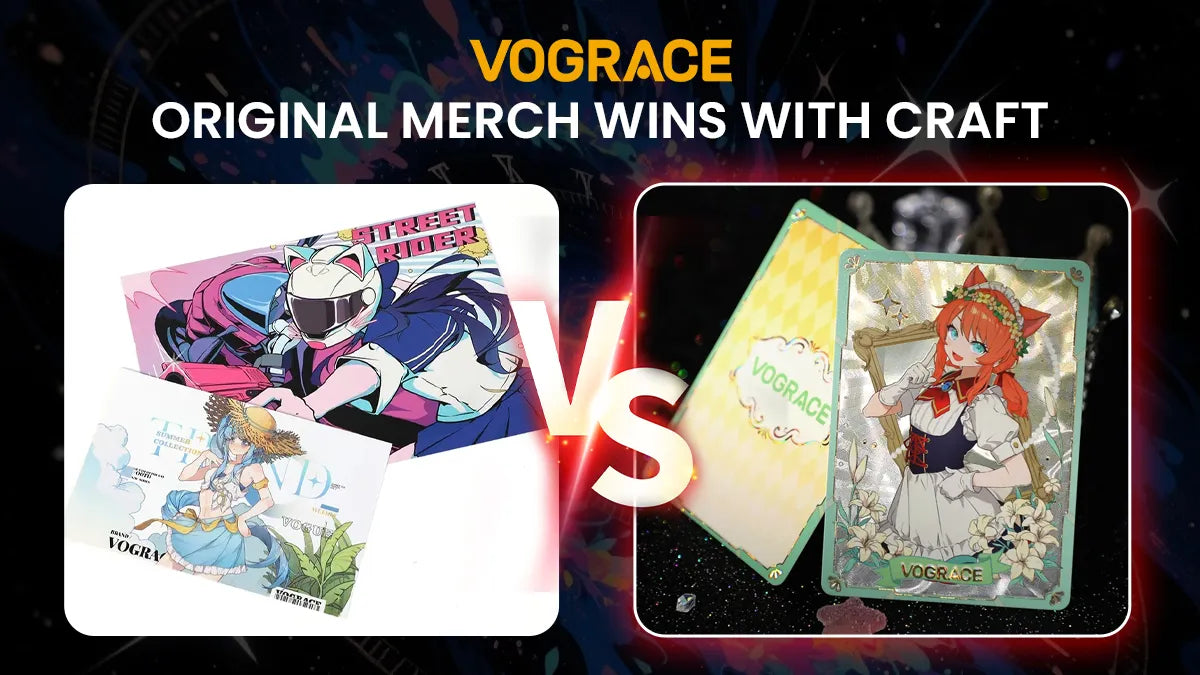
Turning an original illustration into an acrylic keychain, button pin, or sticker is about more than putting art on a product. It's a way for independent artists to share their work beyond a screen—and give people something they can carry, display, and collect.
But with AI image generators making polished visuals easier to produce, an eye-catching illustration alone may not be enough to hold someone's attention. So what makes a piece of artist merch feel unmistakably yours?
A July 2026 *Forbes* article explored how some shoppers and collectors are paying closer attention to handmade work, the people behind it, and the creative process. That doesn't mean everyone is turning away from AI—or that printed merch is the same as handmade art. It does suggest that the ideas, decisions, and personal stories behind a product can matter as much as its appearance.
For artists building their own merch collections, one practical place to start is with materials, finishes, and product design. The right production choices can make your artwork feel more distinctive without changing what made it special in the first place.
Why Original Artist Merch Needs More Than a Great Illustration
A recognizable style matters more than extra detail
AI tools can generate countless visual variations, but more images don't necessarily create stronger connections. A familiar character silhouette, a signature color palette, or a story that develops across several illustrations gives people a reason to recognize your work again.
Instead of asking how to make every drawing more elaborate, ask what fans already associate with your art. Is it an expressive character? A particular mood? A tiny detail that appears in every piece? Those are often the features worth carrying into a physical product.
The finished product has its own job to do
An illustration that looks beautiful on a monitor may behave differently when printed on a small pin or a transparent acrylic charm. Fine lines can become difficult to see. Colors can shift depending on the material and printing process. A finish that looks exciting in a product photo may compete with the artwork underneath.
Buyers also experience merch differently from digital art. They may want to attach a keychain to a bag, decorate a notebook, display a standee on a desk, or collect every character in a series. How the item looks, feels, and fits into everyday life is part of its appeal.
Selling merch means thinking beyond the artwork
Building a long-term merch line calls for a few skills beyond illustration: choosing products, understanding production options, checking costs, and listening to customer feedback.
You don't need to master every manufacturing technique at once. A more useful starting point is to learn how different formats support different kinds of artwork, then test what works for your audience.
How Materials and Finishes Can Make Your Merch More Distinctive
A standout finish isn't necessarily the most expensive or complicated one. It's the one that makes sense for the artwork.
Imagine an original character inspired by the night sky. A clear acrylic keychain could show off the character's silhouette and color palette. A holographic or glitter effect might add a shifting sparkle to stars and moonlight. A layered design could create separation between the character and the background, adding a sense of depth.
None of these options is automatically better. The real question is whether an added effect strengthens the design—and whether buyers can see enough value in it to justify the additional cost.
Thoughtful production choices can help in three ways. They can enhance the artwork, using transparency, shine, or structure to emphasize a visual theme. They can improve the physical experience, through size, thickness, texture, or display features. And they can give a collection a consistent identity, using related shapes, colors, and finishes across different products.
Craftsmanship can't replace an original point of view. Think of it as another part of your creative toolkit: a way to translate what you've already imagined into something people can hold.
Four Custom Merch Products Worth Exploring
You don't have to launch an entire product range to learn what suits your work. These four formats give independent artists several ways to experiment, including on a smaller budget.
1. Acrylic Keychains: Make the Character the Focus
Custom acrylic keychains offer room to play with transparent areas, unusual outlines, holographic effects, and, where available, layered construction. A dreamy space-themed character might benefit from a subtle shimmer; a bold, graphic design may look strongest on clear acrylic without extra decoration.
Try this: Pick one finish that supports the illustration. Too many effects can distract from the colors and linework that make your character recognizable.
2. Button Pins: Build a Collectible Series
With custom button pins, small details have an outsized impact. Facial expressions, line thickness, and contrast become especially important when an illustration is reduced to pin size.
A consistent border, matching background colors, or character numbers can help a set feel like a collection rather than a group of unrelated designs.
Try this: View your artwork at its intended print size before ordering. If an expression or important symbol disappears, simplify it or adjust the contrast.
3. Stickers and Paper Goods: Experiment Without Overcomplicating Things
Custom stickers can stand out through die-cut shapes, surface finishes, coordinated packaging, or a series of character expressions. Paper goods can follow the same visual language, making it easier to create related items around one illustration or theme.
You don't need an elaborate finish for every design. A playful silhouette or a particularly relatable expression can be the detail that catches someone's eye.
Try this: Create a small set featuring one character in different moods or everyday situations. See which designs people respond to before expanding the collection.
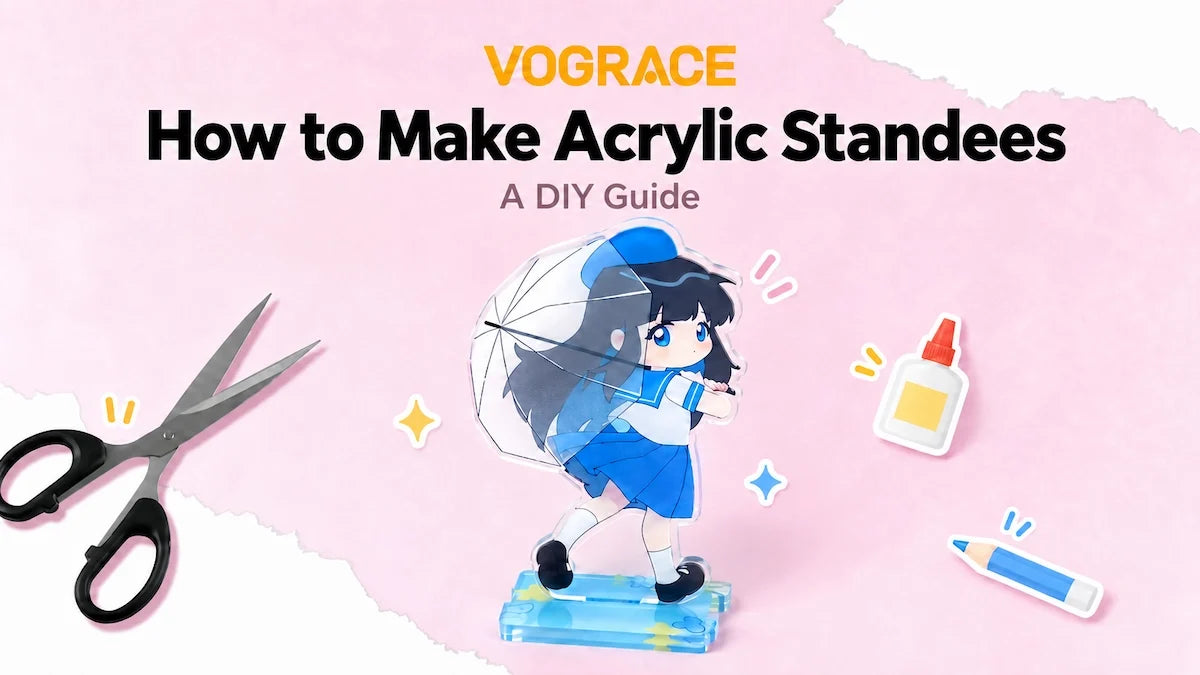
4. Acrylic Standees: Give Your Characters a Place to Live
Custom acrylic standees turn illustrations into desk displays. A thoughtful base, background element, or layered scene can give a character more presence and make several characters from the same fictional world feel connected.
Try this: Think beyond the artwork itself. Check the standee's stability, assembly, packaging, and shipping requirements, especially if the design includes multiple pieces.
If you're still unsure which format suits your work, compare product dimensions, materials, and available finishes before committing. Options and production requirements can vary by product, so confirm the details for the specific item you're considering.
From Illustration to Finished Merch: A Five-Step Approach
The easiest way to avoid overspending on a first collection is to make a few focused decisions and test them before scaling up.
1. Identify what makes the artwork yours. It could be the character's colors, an unusual outline, or a recurring motif such as stars, ice, or flowers. Decide what the product should emphasize.
2. Choose one suitable product. A keychain, button pin, sticker, or standee may each serve a different purpose. Start with the format that makes the most sense for your audience and design.
3. Select one meaningful production detail. Compare materials, finish options, design limitations, and costs. Add an effect because it improves the piece, not simply because it's available.
4. Check the artwork and, when possible, order a sample. Look closely at color, line clarity, size, cut lines, and construction. A sample can reveal issues that aren't obvious on-screen.
5. Ask for feedback and refine. Show the product to your community, collect reactions on social media, or gauge interest before a larger order. Pay attention to what people say about the design, finish, and price.
For example, you might begin with a standard acrylic keychain featuring a star-themed illustration, then test a holographic version. If people clearly notice the difference and are willing to pay for it, the effect could become a recurring feature of that character's merch line.
Before placing an order, check minimum order quantities, proofing or sampling arrangements, total production costs, and quality requirements. Vograce offers multiple customizable merch formats to explore, but the right option will depend on the artwork, budget, and specifications of the product you choose.
Final Thoughts: Let the Product Extend Your Creativity
AI is changing how images are made and shared, but it doesn't erase the value of an artist's perspective. Your characters, stories, visual choices, and relationship with your audience still give your work an identity of its own.
A keychain, sticker, pin, or standee can carry that identity into the real world. The goal isn't to choose the flashiest finish or offer every product at once. It's to find the materials and details that make your artwork feel like itself—just in a different form.
If you're planning your first merch collection or rethinking an existing one, explore the relevant options at Vograce and start with a design you know well. Have a question about finishes, samples, or turning original art into merch? Share it in the comments—we'd love to hear what you're creating.